
Narragansett Flower Bed Maintenance Services
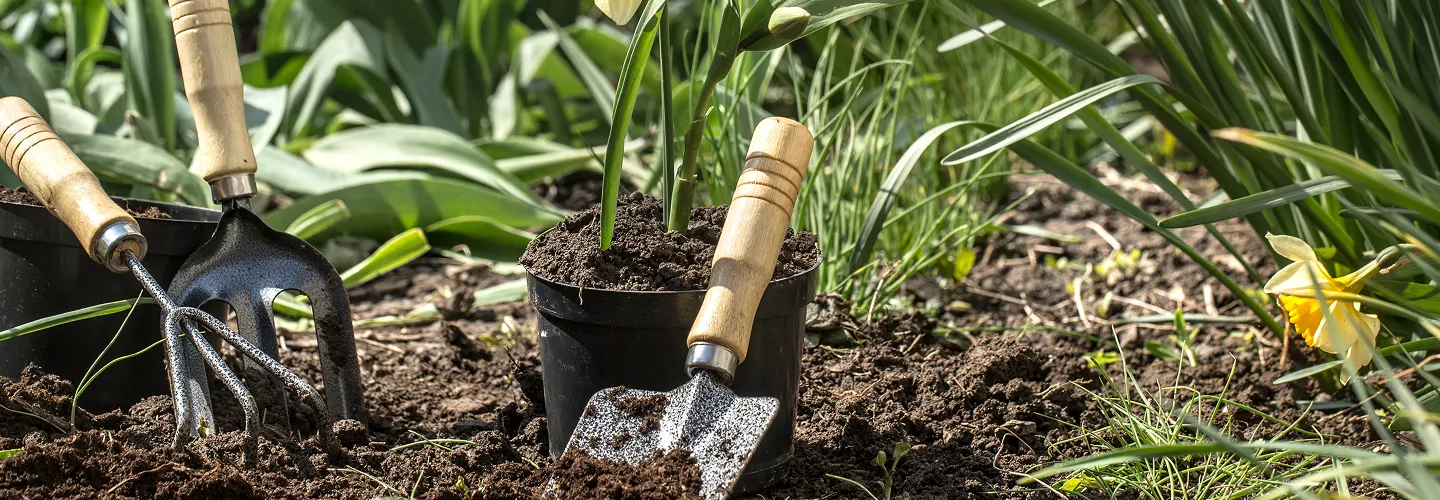
Choose our Flower Bed Maintenance for expert care that ensures your blooms stay healthy, beautiful, and weed-free—so you can enjoy a stunning garden without the hassle.
Get a Free QuoteOur Narragansett Landscaping & Yard Care Services
When to Schedule Flower Bed Maintenance in Narragansett, Rhode Island – Seasonal Guide
In Narragansett, Rhode Island, the best times for flower bed maintenance are closely tied to our unique coastal climate and the rhythms of the local environment. Spring, just after the last frost—typically in late April or early May—is ideal for cleaning beds, refreshing mulch, and planting annuals or perennials. Fall, especially from late September through October, is perfect for dividing perennials, removing spent plants, and preparing beds for winter. The proximity to the Atlantic Ocean means our weather can shift quickly, so it’s important to monitor local forecasts and adjust your maintenance schedule accordingly.
Neighborhoods like Point Judith and Bonnet Shores often experience higher humidity and salt exposure, which can affect soil health and plant selection. Areas near Canonchet Farm or along Boston Neck Road may have more shade coverage and richer soils, but also face risks from late spring frosts or summer droughts. Always consider Narragansett’s specific environmental factors, such as soil type, tree density, and municipal guidelines. For more information on local regulations and best practices, visit the Sudbury municipal resource.
Local Factors to Consider for Flower Bed Maintenance in Narragansett
- Proximity to the coast and salt spray exposure
- Average last frost date (late April/early May)
- Summer drought risk and irrigation needs
- Shade coverage from mature trees (especially in neighborhoods like Bonnet Shores)
- Soil type and drainage, which can vary between inland and coastal areas
- Precipitation patterns and risk of heavy storms
- Municipal restrictions on water use or landscaping practices
Benefits of Flower Bed Maintenance in Narragansett
Enhanced Curb Appeal
Weed and Pest Prevention
Healthier Plant Growth
Seasonal Color Management
Professional Landscape Expertise
Time and Effort Savings
Narragansett Flower Bed Maintenance Types

Seasonal Flower Planting
-
Weed Control Services
-
Mulching and Soil Conditioning
-
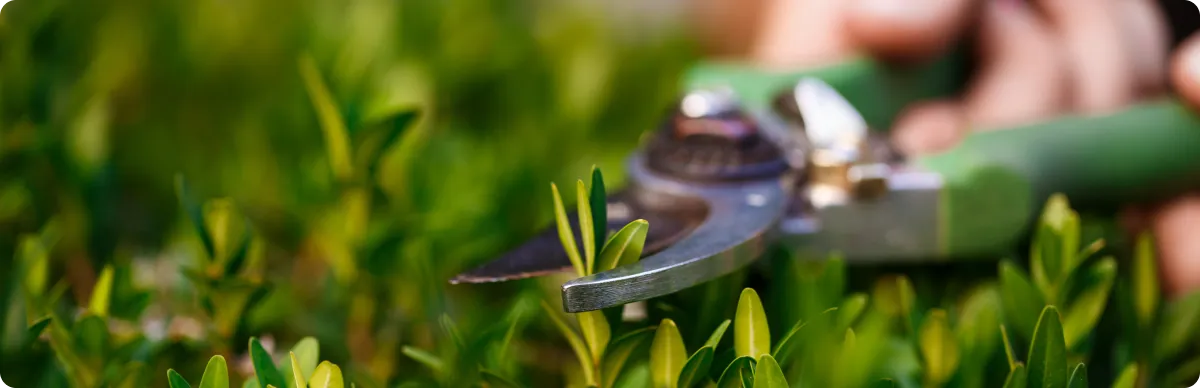
Pruning and Deadheading
-
Fertilization Programs
-
Pest and Disease Management
-
Edging and Bed Redefining
Our Flower Bed Maintenance Process
Site Evaluation
Weed Removal
Soil Preparation
Plant Care
Mulching
Why Choose Narragansett Landscape Services
-
Narragansett Homeowners Trust Us
-
Expert Lawn Maintenance
-
Reliable Seasonal Cleanups
-
Efficient Irrigation Solutions
-
Competitive Pricing
-
Professional Team
-
Satisfaction Guarantee
Narragansett’s Coastal Soil Series and Drainage Considerations for Flower Beds
Flower bed maintenance in Narragansett requires careful attention to the town’s predominant soil types, which include Newport and Bridgehampton sandy loams and areas of glacial till. These soils are moderately acidic (pH 5.5-6.5) and often exhibit poor drainage, especially in low-lying or compacted sites. Before planting or amending beds, conduct a soil test through the University of Rhode Island Cooperative Extension (typical cost: $15-25) to determine pH and organic matter content. For optimal plant health:
- Incorporate 2-3 inches of compost to a 6-inch depth
- Apply lime if pH is below 6.0
- Use raised beds in areas with seasonal water tables within 18 inches of the surface Research local soil series using the USDA Web Soil Survey for site-specific recommendations. Proper soil management supports healthy root systems and reduces runoff into Narragansett’s sensitive coastal waters.
Municipal Collection Schedules and Debris Disposal Protocols in Narragansett
Proper disposal of flower bed debris is regulated by Narragansett’s Department of Public Works. Yard waste collection occurs every Thursday from April through November. Residents must use biodegradable paper bags or reusable bins (32-gallon maximum); plastic bags and branches over 4 inches in diameter are prohibited. Accepted materials include:
- Leaves and grass clippings
- Weeds and spent annuals
- Brush under 4 feet in length Improper disposal, such as dumping debris in wetlands or storm drains, violates the town’s MS4 permit under the Clean Water Act. For questions on collection schedules or disposal sites:
Narragansett RI Department of Public Works
25 Fifth Avenue, Narragansett, RI 02882
Phone: (401) 782-0635
Official Website: Narragansett RI Department of Public Works
Plant Selection for Narragansett’s Coastal Microclimate and Salt Exposure
Narragansett’s USDA Hardiness Zone 6b-7a and proximity to the Atlantic Ocean create unique challenges for flower bed plant selection, including salt spray, wind, and fluctuating temperatures. For sustainable beds, prioritize:
- Salt-tolerant perennials: Black-eyed Susan (Rudbeckia hirta), daylily (Hemerocallis), Russian sage (Perovskia atriplicifolia)
- Native species: Wild bergamot (Monarda fistulosa), Joe Pye weed (Eutrochium purpureum)
- Deer-resistant options: Lavender (Lavandula), salvia (Salvia nemorosa) Plant 18-24 inches apart for adequate airflow and disease prevention. Avoid species sensitive to salt or poorly drained soils. Consult the USDA Plant Hardiness Zone Map and University of Rhode Island Cooperative Extension for additional guidance on species selection and spacing.
Environmental Compliance: Wetland Buffers and Stormwater Management in Narragansett
Flower bed maintenance near Narragansett’s wetlands, streams, and conservation areas is governed by local and state regulations. Maintain a minimum 25-foot no-disturbance buffer from all wetlands and water bodies, and avoid fertilizer or pesticide application within 50 feet of these areas. The Rhode Island Environmental Rights Act and the town’s MS4 permit prohibit dumping of yard waste or soil amendments in storm drains. Key compliance steps:
- Use only slow-release fertilizers and apply at recommended rates
- Prevent mulch and clippings from entering stormwater inlets
- Schedule maintenance to avoid heavy rain events (check National Weather Service) For regulatory questions or buffer zone maps:
Narragansett RI Planning Board
25 Fifth Avenue, Narragansett, RI 02882
Phone: (401) 789-1044
Official Website: Narragansett RI Planning Board
Equipment Operation Hours and Safety Standards for Flower Bed Work in Narragansett
Narragansett enforces municipal noise ordinances for outdoor equipment. Permitted operation hours are:
- Monday-Friday: 7:00 AM - 7:00 PM
- Saturday: 8:00 AM - 6:00 PM
- Sunday and holidays: Prohibited All power equipment must be maintained with functional mufflers, and noise levels should not exceed 85 decibels at property lines. Safety requirements include:
- ANSI Z87.1 safety glasses
- Hearing protection for equipment over 85 dB
- Steel-toed boots and cut-resistant gloves for pruning Maintain a 15-foot clearance from overhead utilities and follow manufacturer guidelines for all tools. For code enforcement or safety questions:
Narragansett RI Building Inspection Department
25 Fifth Avenue, Narragansett, RI 02882
Phone: (401) 782-0609
Official Website: Narragansett RI Building Inspection Department
What Neighborhoods Do We Serve Throughout Narragansett, RI?
- Pier Area: Features older homes with compacted glacial till soils and limited lot sizes, requiring raised beds and careful drainage management.
- Bonnet Shores: Coastal exposure and sandy soils demand salt-tolerant plantings and windbreaks for flower beds.
- Point Judith: Proximity to wetlands and floodplains necessitates strict buffer compliance and use of native, moisture-tolerant species.
- Mettatuxet: Suburban development with moderate tree cover and variable drainage; regular soil amendment and deer-resistant plants are recommended.
- Great Island: Waterfront properties face salt spray and high water tables, making elevated beds and erosion control essential.
- Scarborough: Larger lots with mixed sun and shade conditions, requiring diverse plant selection and attention to municipal setback rules.
- Galilee: Working harbor area with unique microclimate, frequent wind, and salt exposure, best suited for hardy, low-maintenance perennials.