
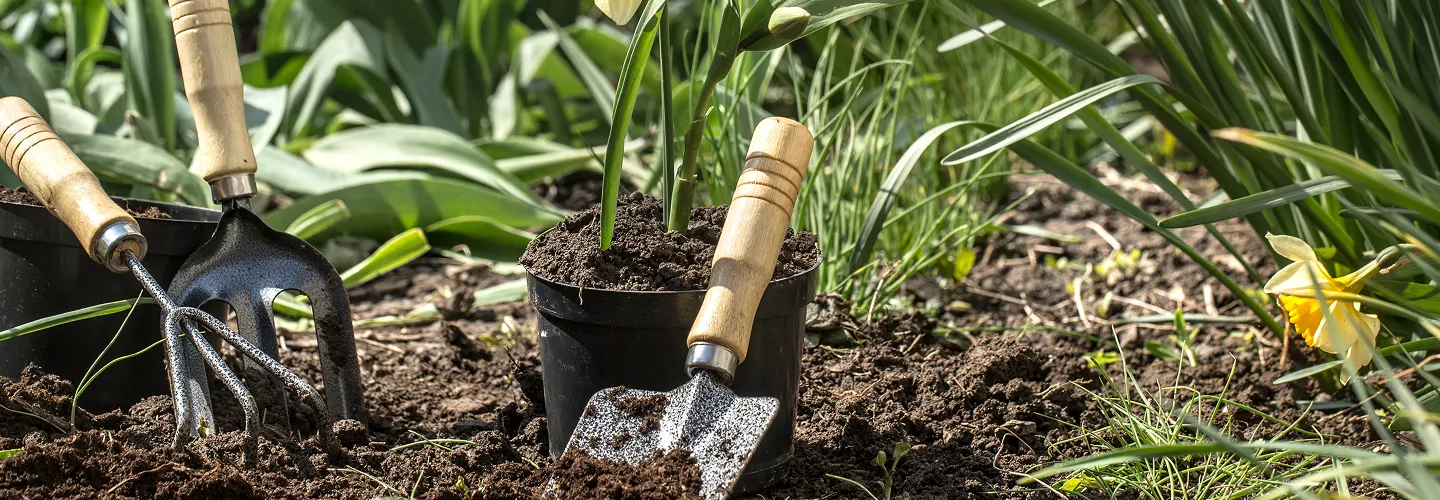
Narragansett Weed Control Services
Choose our expert weed control services for reliable, long-lasting results that protect your lawn and enhance your property’s curb appeal. Our local team uses proven methods and eco-friendly solutions to ensure your yard stays beautiful and weed-free all season long.
Get a Free QuoteOur Narragansett Landscaping & Yard Care Services
When to Schedule Weed Control in Narragansett, Rhode Island – Seasonal Guide
Timing your weed control treatments in Narragansett is crucial for maintaining a healthy, vibrant landscape. The best periods for weed management typically fall in early spring and late summer, aligning with the region’s unique climate and growing cycles. Narragansett’s proximity to the Atlantic means milder winters and humid summers, but local microclimates—such as those near Narragansett Town Beach or the shaded streets of Bonnet Shores—can influence weed growth and the effectiveness of treatments.
Local environmental factors like late spring frost dates, the sandy soils common in neighborhoods near Point Judith, and periodic drought risk all play a role in determining the optimal schedule. Humidity levels and shade coverage, especially in areas with dense tree canopies, can also affect weed proliferation. For more information on local environmental guidelines, visit the Sudbury municipal resource.
Local Factors to Consider for Weed Control in Narragansett
- Tree density and shade coverage (e.g., wooded lots in Pettaquamscutt Lake Shores)
- Soil type and drainage, especially in coastal or low-lying areas
- Seasonal precipitation patterns and drought risk
- Proximity to saltwater and its impact on soil salinity
- Municipal restrictions or neighborhood association guidelines
- Terrain and slope, which can affect runoff and treatment absorption
Benefits of Weed Control in Narragansett

Improved Lawn Health
Enhanced Curb Appeal
Reduced Maintenance Time
Eco-Friendly Solutions
Prevention of Weed Spread
Expert Local Knowledge

Narragansett Weed Control Types

Pre-Emergent Weed Control
-
Post-Emergent Weed Control
-
Organic Weed Management
-
Selective Herbicide Application
-
Manual Weed Removal
-
Mulching for Weed Suppression
-
Landscape Fabric Installation
Our Weed Control Process
Site Evaluation
Weed Identification
Treatment Application
Follow-Up Inspection
Why Choose Narragansett Landscape Services
-
Narragansett Homeowners Trust Us
-
Expert Lawn Maintenance
-
Reliable Seasonal Cleanups
-
Efficient Irrigation Solutions
-
Competitive Pricing
-
Professional Team
-
Satisfaction Guarantee
Managing Invasive Weeds in Narragansett’s Coastal and Wetland Buffer Zones
Weed control in Narragansett requires strict adherence to municipal and state regulations, especially near sensitive coastal and wetland areas. Properties adjacent to wetlands, salt marshes, or the Narrow River must maintain a 25-foot no-disturbance buffer, prohibiting herbicide application and mechanical removal within this zone. The Rhode Island Environmental Rights Act and the town’s MS4 stormwater permit under the Clean Water Act prohibit the discharge of yard waste or chemical runoff into storm drains and water bodies. Best practices include hand-pulling invasive species, using mulch barriers, and scheduling removal outside of peak rainfall periods to minimize erosion. For guidance on buffer management and compliance, residents should consult the local Department of Public Works.
Narragansett RI Department of Public Works
25 Fifth Avenue, Narragansett, RI 02882
Phone: (401) 782-0635
Official Website: Narragansett RI Department of Public Works
Soil Series and Site Conditions Affecting Weed Control in Narragansett
Narragansett’s predominant soils, including the Bridgehampton silt loam and Newport loamy sand, are derived from glacial till and exhibit moderate acidity (pH 5.5-6.5) with variable drainage. Poorly drained areas, especially in neighborhoods near Pettaquamscutt Lake and Salt Pond, are prone to persistent weed growth such as mugwort and Japanese knotweed. Effective weed control requires soil testing, available through the University of Rhode Island Cooperative Extension, to determine pH and organic matter content. Recommended practices include:
- Lime application for pH below 6.0 (25-50 lbs per 1,000 sq ft)
- Compost incorporation: 2-3 inches tilled to 6-inch depth
- Mulching to suppress annual weeds
- Avoiding tillage in wet conditions to prevent compaction Research local soil series using the USDA Web Soil Survey for site-specific recommendations.
Equipment Operation Hours and Safety Standards for Weed Control in Narragansett
The Town of Narragansett enforces municipal noise ordinances for outdoor equipment operation. Permitted hours for powered weed control equipment are:
- Monday-Friday: 7:00 AM - 7:00 PM
- Saturday: 8:00 AM - 6:00 PM
- Sunday and holidays: Prohibited Operators must use commercial-grade trimmers and sprayers with functioning mufflers, and noise levels must not exceed 85 decibels at property lines. All personnel are required to wear ANSI Z87.1 safety glasses, hearing protection for equipment over 85 dB, and chemical-resistant gloves when handling herbicides. Maintain a 15-foot clearance from public sidewalks and roadways during application. For questions on compliance, contact the Building Inspection Department.
Narragansett RI Building Inspection Department
25 Fifth Avenue, Narragansett, RI 02882
Phone: (401) 782-0609
Official Website: Narragansett RI Building Inspection Department
State and Federal Environmental Compliance for Weed Control in Narragansett
All weed control activities in Narragansett must comply with the Rhode Island Environmental Rights Act and the town’s MS4 stormwater permit, which prohibit the discharge of yard waste, herbicides, or soil into storm drains. The Rhode Island Department of Environmental Management regulates pesticide use and buffer requirements, including:
- No herbicide application within 50 feet of water bodies
- Maintain 25-foot no-disturbance buffer from wetlands
- Use only EPA-registered products for invasive species
- Store chemicals in secure, covered areas away from drainage For technical support, consult the University of Rhode Island Cooperative Extension for integrated weed management strategies. Federal oversight is provided by EPA Region 1, which enforces the Clean Water Act in coastal communities.
Optimal Timing and Seasonal Strategies for Weed Control in Narragansett’s Climate
Narragansett’s USDA Hardiness Zone 6b-7a and coastal microclimate influence weed emergence and control timing. Pre-emergent herbicides should be applied between April 1 and April 15, when soil temperatures reach 50°F. Post-emergent treatments are most effective from May 15 to June 30, targeting broadleaf weeds before seed set. Avoid chemical applications during peak summer (July-August) to reduce runoff risk during heavy rainfall, as forecasted by the National Weather Service - Boston/Norton Office. Recommended seasonal practices include:
- Spring: Mulch beds and apply pre-emergent controls
- Early summer: Spot-treat perennial weeds
- Fall: Remove seed heads and apply mulch to prevent winter germination
- Avoid: Application within 24 hours of forecasted rain Monitor local weather and soil conditions for optimal results.
What Neighborhoods Do We Serve Throughout Narragansett, RI?
- Bonnet Shores: Coastal sandy soils with rapid drainage and high weed pressure, especially along dune areas and near salt marshes. Properties require frequent monitoring for invasive grasses and salt-tolerant weeds.
- Pier District: Dense residential development with compacted urban soils and limited green space. Weed control is challenged by runoff concerns and proximity to Narragansett Town Beach.
- Pettaquamscutt Lake Shores: Poorly drained silt loams and frequent wetland buffers. Strict enforcement of 25-foot no-disturbance zones and high vigilance for invasive wetland species are required.
- Point Judith: Exposed coastal conditions, sandy soils, and salt spray. Weed management must account for windborne seeds and salt-tolerant invasive species.
- Mettatuxet: Mixed soil types and mature landscaping, with many properties adjacent to conservation areas. Buffer compliance and integrated management are critical.
- Great Island: Flood-prone areas with high water tables and unique weed challenges related to tidal influence and brackish conditions.
- Westmoreland: Larger lots with a mix of loamy and sandy soils, requiring tailored weed control strategies and attention to local drainage patterns.