
Narragansett Weeding Services
Choose our weeding services for a healthier, more beautiful landscape—our experienced team removes unwanted growth efficiently, ensuring your plants thrive and your yard stays immaculate all season long.
Get a Free QuoteOur Narragansett Landscaping & Yard Care Services
When to Schedule Weeding in Narragansett, Rhode Island – Seasonal Guide
In Narragansett, Rhode Island, the best times to schedule weeding are closely tied to our unique coastal climate and the rhythms of the local landscape. Early spring, just after the last frost date, is ideal for tackling emerging weeds before they establish deep roots. This timing is especially important in neighborhoods like Point Judith and Bonnet Shores, where proximity to the ocean can mean higher humidity and a longer growing season. Late summer and early fall are also strategic periods for weeding, as persistent species can take advantage of warm, moist conditions following summer rains.
Local environmental factors play a significant role in determining the optimal weeding schedule. For example, areas with dense shade from mature trees, such as those near Canonchet Farm, may experience slower weed growth but require attention to moss and shade-tolerant species. Sandy soils common along Ocean Road can dry out quickly, increasing drought risk and influencing weed resilience. It's also important to stay informed about municipal guidelines and resources, such as those provided by Sudbury's local government, to ensure compliance with any seasonal restrictions or recommendations.
Local Factors to Consider for Weeding in Narragansett
- Tree density and shade coverage, especially in established neighborhoods
- Soil type (sandy, loamy, or clay) and drainage characteristics
- Seasonal precipitation patterns and drought risk
- Proximity to coastal humidity and salt exposure
- Terrain variations, including slopes and low-lying areas
- Municipal restrictions or recommended service windows
Benefits of Weeding in Narragansett
Improved Curb Appeal
Healthier Plant Growth
Reduced Pest Infestation
Enhanced Soil Quality
Professional and Reliable Service
Time and Effort Savings
Narragansett Weeding Types

Hand Weeding
-
Mulch Application
-
Pre-Emergent Weed Control
-
Post-Emergent Herbicide Treatment
-
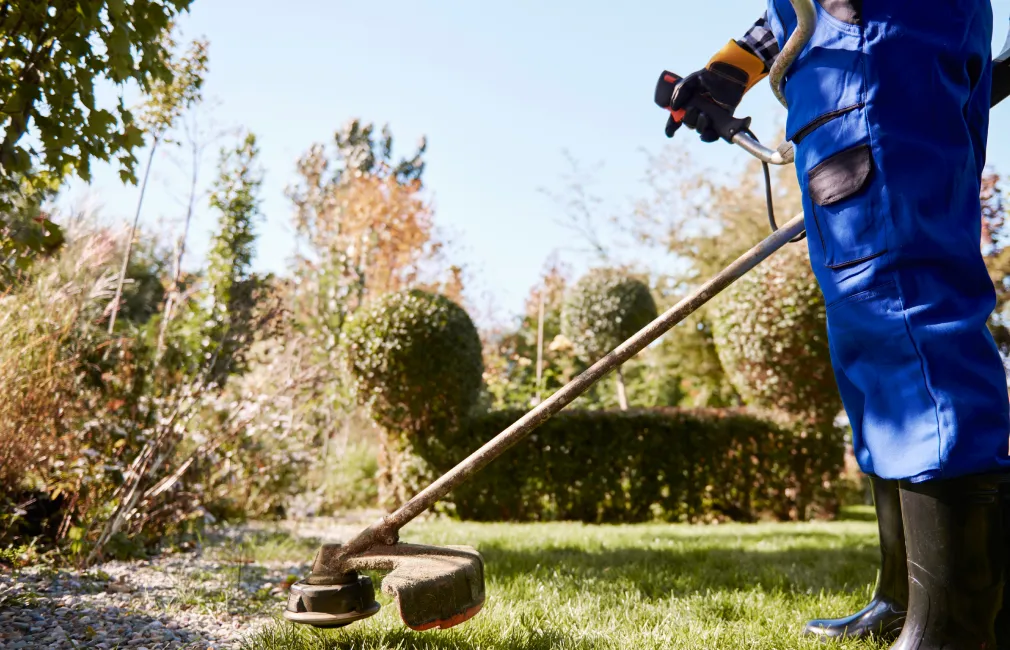
Mechanical Weeding
-
Landscape Fabric Installation
-
Selective Spot Weeding
Our Weeding Process
Site Evaluation
Weed Identification
Targeted Removal
Soil Treatment
Final Inspection
Why Choose Narragansett Landscape Services
-
Narragansett Homeowners Trust Us
-
Expert Lawn Maintenance
-
Reliable Seasonal Cleanups
-
Efficient Irrigation Solutions
-
Competitive Pricing
-
Professional Team
-
Satisfaction Guarantee
Managing Weeding in Narragansett’s Coastal and Glacial Soils
Weeding practices in Narragansett must account for the town’s predominant glacial till and coastal sandy soils, as identified by the USDA Web Soil Survey. These soils are typically moderately acidic (pH 5.5-6.5) and often poorly drained, especially in low-lying areas. Effective weed removal requires:
- Soil testing through University of Rhode Island Cooperative Extension (typical cost: $15-25)
- Incorporating 2-3 inches of compost tilled to a 6-inch depth to improve structure
- Lime application if pH is below 6.0
- Mulching to suppress regrowth and retain moisture Mechanical removal is recommended for invasive species, with hand-pulling most effective after rainfall when soils are moist. For persistent weeds, spot treatment with approved herbicides should follow all Rhode Island Environmental Rights Act guidelines.
Narragansett Yard Waste Collection and Weeding Debris Disposal Protocols
Proper disposal of weeding debris in Narragansett is regulated by the Department of Public Works. Weekly yard waste collection occurs every Thursday from April through November. Residents must use biodegradable paper bags or reusable bins (32-gallon maximum); plastic bags and branches over 4 inches in diameter are prohibited. Accepted materials include:
- Weeds, leaves, and grass clippings
- Brush under 4 feet in length
- Small twigs and plant debris Improper disposal, such as placing debris in storm drains, violates the town’s MS4 permit under the Clean Water Act. For large volumes, the town transfer station is open Saturdays 8:00 AM – 2:00 PM.
Narragansett RI Department of Public Works
25 Fifth Avenue, Narragansett, RI 02882
Phone: (401) 782-0635
Official Website: Narragansett RI Department of Public Works
Environmental Compliance: Wetland Buffers and Stormwater Protection in Narragansett
Weeding near Narragansett’s wetlands, streams, and coastal buffers requires strict adherence to local and state environmental regulations. A 25-foot no-disturbance buffer is mandated from all designated wetlands, and a 50-foot setback applies for fertilizer or herbicide application. The Rhode Island Department of Environmental Management enforces these standards under the Rhode Island Environmental Rights Act. Key compliance steps include:
- Avoiding all chemical applications within 50 feet of water bodies
- Preventing debris from entering storm drains or waterways
- Maintaining vegetative buffers along Pettaquamscutt River and Narrow River Violations may result in fines or remediation orders. For technical guidance, consult EPA Region 1 and the University of Rhode Island Cooperative Extension.
Seasonal Timing and Equipment Standards for Weeding in Narragansett’s Climate
Narragansett’s USDA Hardiness Zone 6b-7a climate dictates optimal weeding windows. Mechanical and manual weeding is most effective from April 15 to June 15 and again from September 1 to October 15, when soil temperatures range from 50°F to 65°F. Equipment operation is regulated by local ordinance:
- Monday-Friday: 7:00 AM – 7:00 PM
- Saturday: 8:00 AM – 6:00 PM
- Sunday and holidays: Prohibited All operators must use ANSI Z87.1 safety glasses, hearing protection for equipment over 85 dB, and gloves rated for cut resistance. Commercial-grade weed trimmers and hand tools should be sanitized between sites to prevent spread of invasive species. For weather updates, refer to the National Weather Service Boston/Norton Office.
What Neighborhoods Do We Serve Throughout Narragansett, RI?
- Pier Area: Dense residential lots with mature landscaping and compacted soils; proximity to Narragansett Town Beach requires careful debris management to prevent runoff.
- Bonnet Shores: Coastal sandy soils with high drainage; frequent wind exposure and salt spray necessitate salt-tolerant plantings and regular weeding.
- Point Judith: Larger lots and mixed-use zoning; areas near marshes and salt ponds require strict wetland buffer compliance and careful herbicide use.
- Saunderstown: Wooded lots with glacial till soils; heavy leaf litter and shade promote moss and broadleaf weed growth, requiring seasonal attention.
- Great Island: Waterfront properties with tidal influence; limited access and high water table demand manual weeding and debris removal by hand.
- Pettaquamscutt Lake Shores: Proximity to Narrow River and conservation areas; strict enforcement of buffer zones and organic debris disposal protocols.
- Westmoreland: Newer developments with engineered soils; HOA guidelines may specify weeding frequency and approved disposal methods.