
Narragansett Green Waste Disposal Services
Choose our Green Waste Disposal for reliable, environmentally responsible service that keeps your property clean and supports a healthier community—experience hassle-free pickups and sustainable practices you can trust.
Get a Free QuoteOur Narragansett Landscaping & Yard Care Services
When to Schedule Green Waste Disposal in Narragansett, Rhode Island – Seasonal Guide
In Narragansett, Rhode Island, the best times to schedule green waste disposal are closely tied to our unique coastal climate and the seasonal rhythms of local landscapes. Spring and late fall are typically optimal, as these periods align with major yard cleanups following winter storms or in preparation for summer growth. The town’s proximity to the Atlantic means we experience high humidity and salt air, which can accelerate the accumulation of organic debris, especially in neighborhoods like Point Judith and Bonnet Shores.
Local environmental factors such as late spring frost dates, the sandy soils near Scarborough Beach, and shaded lots in the Pettaquamscutt Lake area all play a role in determining when green waste removal is most effective. For example, properties with dense tree coverage or those near municipal parks may require more frequent service to manage leaf and branch buildup. For more information on local waste management guidelines, visit the Sudbury municipal site.
Local Factors to Consider for Green Waste Disposal in Narragansett
- Tree density and types (e.g., oaks and maples shed heavily in fall)
- Proximity to the coast and salt exposure
- Soil type (sandy vs. loamy soils affect decomposition rates)
- Shade coverage and undergrowth
- Typical precipitation patterns and drought risk
- Terrain and yard accessibility
- Municipal restrictions and scheduled pickup dates
Benefits of Green Waste Disposal in Narragansett

Eco-Friendly Landscaping Solutions
Efficient Green Waste Removal
Promotes Healthy Lawns and Gardens
Reduces Landfill Waste
Supports Local Sustainability
Convenient Scheduling Options
Narragansett Green Waste Disposal Types

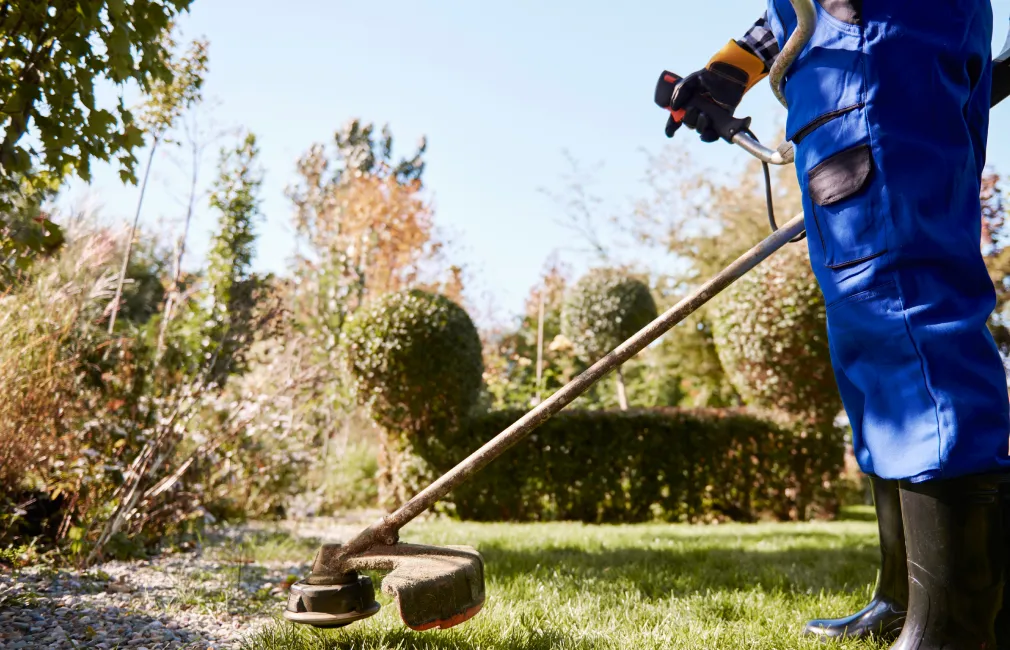
Grass Clippings
-
Leaves and Yard Debris
-
Tree Branches and Limbs
-
Shrub and Hedge Trimmings
-
Garden Plant Waste
-
Weeds and Invasive Plants
-
Mulch and Wood Chips
Our Green Waste Disposal Process
Collection of Green Waste
Sorting and Separation
Transport to Disposal Facility
Eco-Friendly Processing
Why Choose Narragansett Landscape Services
-
Narragansett Homeowners Trust Us
-
Expert Lawn Maintenance
-
Reliable Seasonal Cleanups
-
Efficient Irrigation Solutions
-
Competitive Pricing
-
Professional Team
-
Satisfaction Guarantee
Narragansett’s Green Waste Collection Schedule and Municipal Requirements
Green waste disposal in Narragansett is governed by specific municipal procedures to ensure compliance with local ordinances and environmental standards. Weekly curbside collection occurs every Thursday from April through November, with residents required to use biodegradable paper bags or reusable containers not exceeding 32 gallons. Accepted materials include leaves, grass clippings, and brush under 4 feet in length and 4 inches in diameter. Plastic bags and oversized branches are strictly prohibited. All green waste must be placed curbside by 7:00 AM on collection day. For large volumes or off-schedule disposal, residents may utilize the town’s designated drop-off site. Coordination with the Department of Public Works is essential for updates on holiday schedules and storm debris protocols.
Narragansett RI Department of Public Works
25 Fifth Avenue, Narragansett, RI 02882
Phone: (401) 782-0635
Official Website: Narragansett RI Department of Public Works
Soil Series and Drainage Considerations for Green Waste in Narragansett
Narragansett’s landscape is characterized by Inceptisols and Udults, with prevalent glacial till and coastal sandy soils. These soils are moderately acidic (pH 5.5-6.5) and often exhibit poor drainage, especially in low-lying areas and near Pettaquamscutt Cove. When managing green waste, it is critical to avoid stockpiling debris on saturated soils, as this can impede decomposition and increase nutrient runoff risk. Composting is most effective when organic material is incorporated into well-drained sites, tilled to a depth of 6-8 inches. Residents are encouraged to consult the USDA Web Soil Survey for site-specific soil data and to utilize soil testing services through the University of Rhode Island Cooperative Extension for recommendations on pH adjustment and organic matter incorporation.
Environmental Compliance: Wetland Buffers and Stormwater Protections in Narragansett
Proper green waste disposal is essential for protecting Narragansett’s sensitive coastal wetlands, salt ponds, and stormwater systems. Town ordinance requires a 25-foot no-disturbance buffer from all designated wetlands, including areas adjacent to Narrow River and Point Judith Pond. The Clean Water Act and Rhode Island’s MS4 stormwater permit prohibit the placement of yard debris in or near storm drains, ditches, or water bodies. Residents must ensure that no grass clippings, leaves, or brush enter drainage infrastructure, as this can cause blockages and nutrient pollution. For questions regarding buffer zones or stormwater compliance, contact the Planning Board.
Narragansett RI Planning Board
25 Fifth Avenue, Narragansett, RI 02882
Phone: (401) 789-1044
Official Website: Narragansett RI Planning Board
Equipment Operation Hours and Safety Standards for Green Waste Handling
Narragansett enforces strict equipment operation hours to minimize noise and ensure public safety during green waste collection and processing. Permitted hours for powered equipment such as chippers and leaf blowers are:
- Monday-Friday: 7:00 AM - 7:00 PM
- Saturday: 8:00 AM - 6:00 PM
- Sunday and holidays: Prohibited All operators must use commercial-grade equipment with functioning mufflers, and noise levels must not exceed 85 decibels at the property line. Personal protective equipment (PPE) is mandatory, including ANSI Z87.1 safety glasses, hearing protection for noise above 85 dB, and cut-resistant gloves for brush handling. Maintain a 15-foot clearance from overhead utilities when operating machinery. For additional safety guidance, consult the Building Inspection Department.
Narragansett RI Building Inspection Department
25 Fifth Avenue, Narragansett, RI 02882
Phone: (401) 782-0609
Official Website: Narragansett RI Building Inspection Department
Seasonal Timing and Weather Considerations for Green Waste Disposal in Narragansett
Narragansett’s USDA Hardiness Zone 6b-7a and coastal climate influence the optimal timing for green waste management. Peak collection periods are April 15 - June 15 (spring cleanup) and October 1 - November 30 (leaf drop). Avoid placing green waste curbside during heavy rain events, as saturated soils and high tides can cause debris migration into storm drains. The National Weather Service Boston/Norton office provides local forecasts to help schedule yard work around adverse weather. For composting, maintain pile temperatures between 110-150°F and turn material every 2-3 weeks for effective decomposition. Residents should avoid green waste disposal during summer heat waves (July-August) to prevent odor and vector issues.
What Neighborhoods Do We Serve Throughout Narragansett, RI?
- Pier Area: Dense residential lots with mature trees and limited curb space require careful scheduling for leaf and brush collection, especially during fall peak.
- Bonnet Shores: Coastal sandy soils and proximity to salt ponds necessitate strict adherence to wetland buffer regulations and stormwater protections.
- Point Judith: Larger lots and frequent wind exposure increase the volume of green waste, with special attention needed for debris containment during storms.
- Mettatuxet: Close to Narrow River, this area has poorly drained soils and heightened risk of nutrient runoff, making buffer compliance and proper container use essential.
- Great Island: Flood-prone properties and narrow access roads require smaller collection vehicles and careful timing to avoid tidal surges.
- Scarborough: High seasonal occupancy and rental turnover create surges in green waste during spring and fall, requiring clear communication of collection schedules.
- Westmoreland: Newer developments with compacted fill soils may benefit from additional compost incorporation and soil amendment guidance for effective green waste management.