
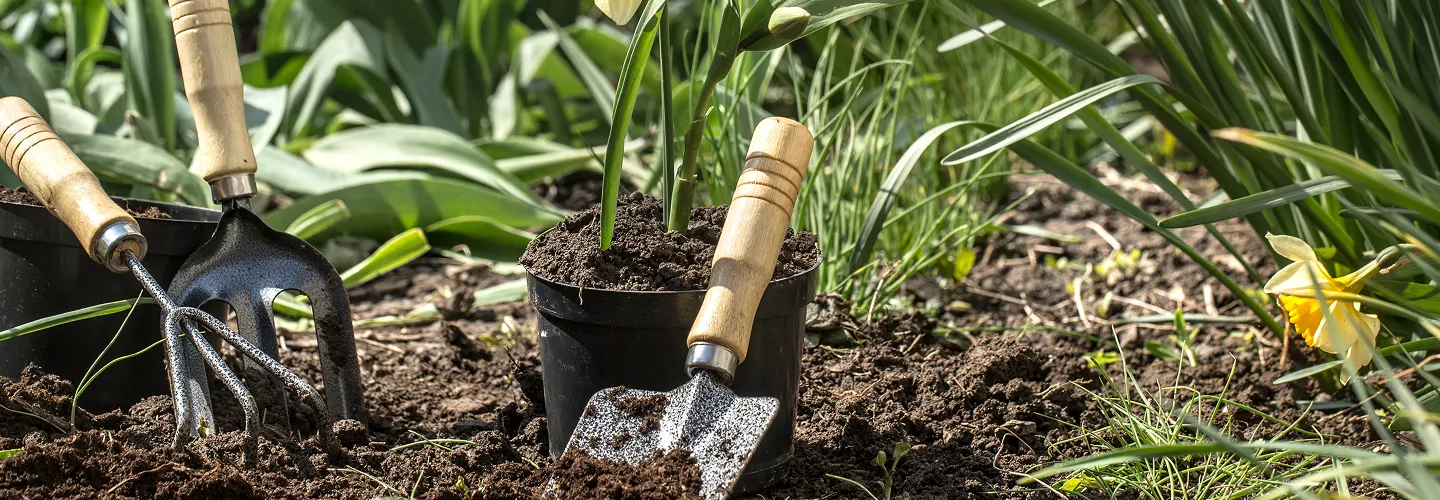
Narragansett Flower Planting Services
Choose our expert flower planting services for vibrant, long-lasting gardens that enhance your home's curb appeal and bring color to every season.
Get a Free QuoteOur Narragansett Landscaping & Yard Care Services
When to Schedule Flower Planting in Narragansett, Rhode Island – Seasonal Guide
In Narragansett, Rhode Island, the best time to schedule flower planting is typically in late spring, after the last frost has passed, or in early fall when temperatures are mild and rainfall is more consistent. The local climate, influenced by coastal breezes and proximity to Narragansett Bay, means that frost dates can vary—residents in neighborhoods like Point Judith or near the Towers should pay close attention to local weather updates. Early spring can be unpredictable, so waiting until soil temperatures consistently reach 55°F ensures better root establishment and vibrant blooms.
Local environmental factors play a significant role in successful flower planting. Areas with dense shade, such as those near Canonchet Farm, may require shade-tolerant varieties, while sandy soils common along Ocean Road benefit from added organic matter to retain moisture. Humidity levels and the risk of summer droughts also influence planting schedules and flower selection. For more information on local planting guidelines and municipal considerations, visit the Sudbury town resources.
Local Factors to Consider for Flower Planting in Narragansett
- Proximity to the coast and salt spray exposure
- Average last and first frost dates
- Soil type (sandy, loamy, or clay)
- Tree density and available sunlight
- Terrain and drainage patterns
- Precipitation trends and drought risk
- Municipal restrictions or neighborhood association guidelines
Benefits of Flower Planting in Narragansett
Expert Local Knowledge
Customized Landscape Designs
Seasonal Plant Selection
Enhanced Curb Appeal
Eco-Friendly Practices
Reliable Maintenance Services
Narragansett Flower Planting Types

Perennial Flower Beds
-
Annual Flower Displays
-
Native Wildflower Gardens
-
Pollinator-Friendly Plantings
-
Shade Garden Flowers
-
Coastal-Resilient Flower Types
-
Seasonal Bulb Plantings
Our Flower Planting Process
Site Evaluation
Soil Preparation
Plant Selection
Careful Planting
Watering and Mulching
Why Choose Narragansett Landscape Services
-
Narragansett Homeowners Trust Us
-
Expert Lawn Maintenance
-
Reliable Seasonal Cleanups
-
Efficient Irrigation Solutions
-
Competitive Pricing
-
Professional Team
-
Satisfaction Guarantee
Soil Series and Drainage Considerations for Flower Planting in Narragansett
Flower planting in Narragansett requires careful attention to local soil conditions, which are predominantly Inceptisols and Udults formed from glacial till and coastal sands. These soils are often moderately acidic (pH 5.5-6.5) and can be poorly drained, especially in low-lying areas with a seasonal water table at 12-18 inches. Before planting, it is recommended to conduct a soil test through the University of Rhode Island Cooperative Extension (typical cost: $15-25) to determine pH and nutrient levels. For optimal flower bed establishment, incorporate 2-3 inches of compost tilled to a 6-inch depth and apply lime if pH is below 6.0. Use the USDA Web Soil Survey to identify your property’s specific soil series and drainage characteristics. Properties near wetlands must maintain a 25-foot no-disturbance buffer per local ordinance.
Narragansett RI Department of Public Works
25 Fifth Avenue, Narragansett, RI 02882
Phone: (401) 782-0635
Official Website: Narragansett RI Department of Public Works
Seasonal Timing and Climate Zone Guidance for Narragansett Flower Planting
Narragansett is located in USDA Hardiness Zone 6b-7a, with average last frost dates in late April and first frost in late October. For annual and perennial flower planting, the optimal window is April 15 to May 30 (soil temperature 50-65°F) for spring installations and August 20 to September 30 for fall plantings. Avoid planting during June-August heat stress periods, as coastal humidity and salt exposure can impact establishment. Monitor local weather conditions using the National Weather Service - Boston/Norton Office. For best results:
- Spring planting: April 15 - May 30
- Fall planting: August 20 - September 30
- Avoid: June-August (heat stress)
- Mulch beds to conserve moisture and moderate soil temperature
Consult the University of Rhode Island Cooperative Extension for region-specific planting calendars and species recommendations.
Native and Salt-Tolerant Flower Species for Narragansett’s Coastal Environment
Selecting appropriate flower species is essential for success in Narragansett’s coastal microclimate, where salt spray, wind, and sandy soils are common. Native and salt-tolerant perennials are recommended for resilience and ecological benefit. Suitable options include:
- Black-eyed Susan (Rudbeckia hirta)
- New England aster (Symphyotrichum novae-angliae)
- Seaside goldenrod (Solidago sempervirens)
- Butterfly weed (Asclepias tuberosa)
- Daylily (Hemerocallis spp.)
- Russian sage (Perovskia atriplicifolia)
- Wild bergamot (Monarda fistulosa)
Plant 12-18 inches apart for groundcover or 18-24 inches for larger perennials. For areas with deer pressure, consider lavender or salvia. Reference the USDA Plant Hardiness Zone Map to confirm species suitability. For additional guidance, contact the
Narragansett RI Tree Warden
25 Fifth Avenue, Narragansett, RI 02882
Phone: (401) 782-0635
Official Website: Narragansett RI Tree Warden
Municipal Coordination and Permit Requirements for Flower Planting in Narragansett
All flower planting projects in Narragansett must comply with local ordinances regarding public right-of-way, wetland buffers, and historic district guidelines. Planting within 25 feet of wetlands or 50 feet of water bodies requires review by the Planning Board, with a typical application fee of $50 and a 10-business-day review period. Equipment operation is permitted:
- Monday-Friday: 7:00 AM - 7:00 PM
- Saturday: 8:00 AM - 6:00 PM
- Sunday and holidays: Prohibited
All debris must be disposed of in biodegradable bags or 32-gallon containers for Thursday curbside collection (April-November). Plastic bags and branches over 4 inches in diameter are prohibited. For projects in historic districts, additional review may be required. For permit applications and ordinance details, contact:
Narragansett RI Planning Board
25 Fifth Avenue, Narragansett, RI 02882
Phone: (401) 789-1044
Official Website: Narragansett RI Planning Board
Environmental Compliance: Stormwater, Wetlands, and State Regulations in Narragansett
Flower planting activities in Narragansett must adhere to state and federal environmental regulations, including the Rhode Island Environmental Rights Act and Clean Water Act. The town operates under an MS4 stormwater permit, prohibiting soil, mulch, or plant debris from entering storm drains. Key compliance steps include:
- Maintain 25-foot buffer from wetlands
- No fertilizer or pesticide application within 50 feet of water bodies
- Use only approved organic mulches and avoid dyed wood chips near sensitive areas
- Prevent runoff by contouring beds and using erosion control measures
For questions on stormwater compliance, contact:
Rhode Island Department of Environmental Management
235 Promenade Street, Providence, RI 02908
Phone: (401) 222-4700
Official Website: Rhode Island Department of Environmental Management
What Neighborhoods Do We Serve Throughout Narragansett, RI?
- Pier Area: Features sandy soils with moderate drainage and salt exposure from Narragansett Bay, requiring salt-tolerant and wind-resistant flower species.
- Bonnet Shores: Coastal neighborhood with compacted soils and high deer pressure; plant selection must account for browsing and occasional flooding.
- Point Judith: Proximity to wetlands and marshes necessitates strict buffer compliance and use of native, moisture-tolerant flowers.
- Saunderstown: Larger lots with mature trees and variable soil pH; shade-tolerant perennials and soil amendment are often needed.
- Great Island: Floodplain location with poorly drained soils and limited equipment access; raised beds and erosion control are recommended.
- Scarborough: Exposed to strong winds and salt spray from the Atlantic, requiring robust, low-maintenance plantings and regular mulching.
- Westmoreland: Newer development with fill soils and HOA landscaping guidelines; compliance with setback and species restrictions is essential.